Non-native plants this species can replace:
Common Name
Moss phlox
Moss-pink
Plant Form
Herbs
Duration
Perennial
Max Height (ft)
1.0
Width (ft)
2.0 -
3.0
Growth Rate
Medium
Region
Coastal
Piedmont
Mountain
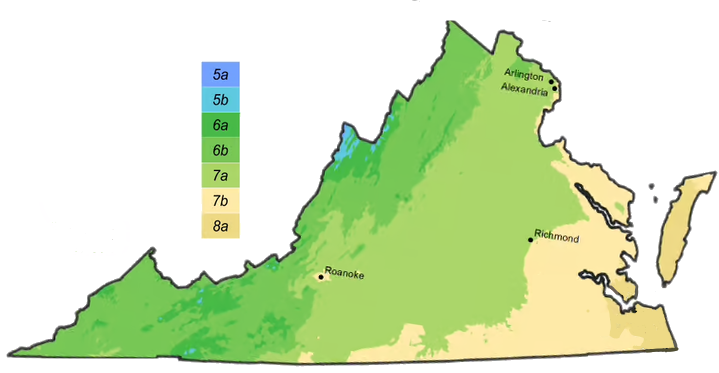
Hardiness Zone
5,
6,
7,
8,
9
Commercially available
Yes
Additional Info
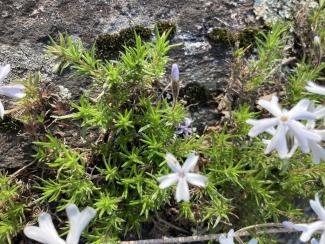
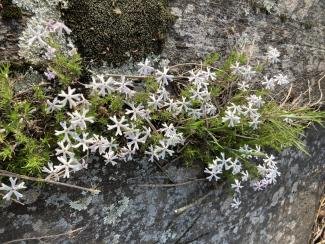
Habitat: Dry rocky woodlands, sandy areas, savannas, rocky ledges, slopes, clearings, and open woodlands. It is native mainly to the Appalachian Mountains. . Locally frequent in the mountains (except far sw. Virginia); infrequent in the piedmont.
Wildlife value: Flowers attract hummingbirds, butterflies, skippers, and bees. Rabbits eat the foliage.
Notes: nice rock garden plant. It grows up to 6 inches tall and up to 2 to 3 feet wide. Likes sandy and gravely soil and can tolerate hot and dry conditions better than other species of phlox. It is good practice to cut back the stems by 1/2 when flowering is completed to help maintain their shape and encourage dense growth.
Flower Color
Blue
Red/burgandy
Cream/White
Pink
Purple/lavender
Flower Prominence
Conspicuous
Bloom Time
Spring
Early Summer
Ground Cover
Yes
Evergreen
Yes
Light Requirements
Full sun
Moisture Requirements
Moist
Dry
Soil Texture
Loamy
Sandy
Low Maintenance
Yes
Good Choice for Public Spaces
Yes
Deer Resitant
Yes
Pollinators
Bees
Butterfiles
Hummingbirds
Number of Lepidotera Species Genus Supports
8
Nurseries that may carry live plant