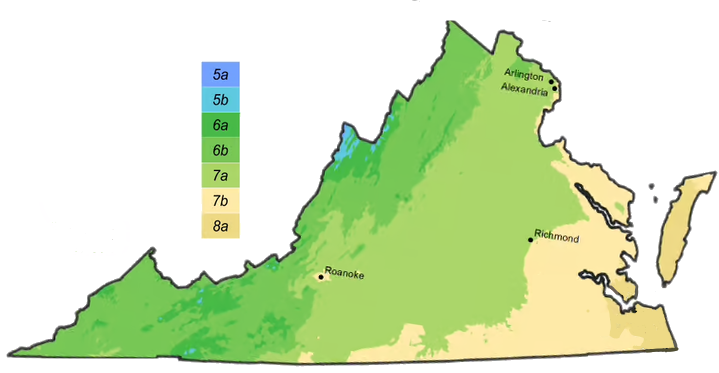
Habitat: Fields, pastures, roadsides, and other open, disturbed habitats. Common throughout.
Wildlife value: Common milkweed not only provides nectar for butterflies, bees, and other pollinators but is a larval host plant for Monarch butterflies and the milkweed tussock moth. Also fed upon by the milkweed weevil and milkweed longhorn beetle.
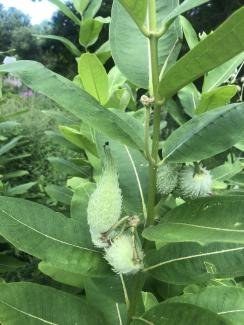
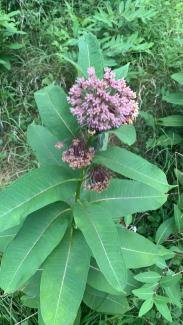
Note: Interesting seed pods; fragrant flower. It propagates easily by seed or root cuttings and will naturalize in the garden and may be aggressive in a garden setting.
Poisonous to Humans
Poison Severity: Low
Poison Symptoms: Can cause stomach upset, nausea, vomiting, abdominal pain, diarrhea, weakness, lethargy, and confusion if eaten in quantity. Milky sap can cause contact dermatitis and eye irritation.
Causes Contact Dermatitis: Yes