Common Name
Northern low-bush blueberry
Sugarberry
Low sweet blueberry
Plant Form
Shrubs & Small Trees
Duration
Perennial
Max Height (ft)
2.0
Width (ft)
0.5 -
2.0
Growth Rate
Medium
Region
Piedmont
Mountain
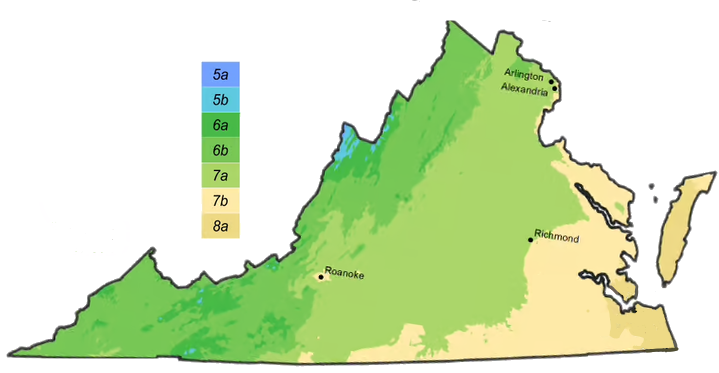
Hardiness Zone
5,
6,
7
Commercially available
Yes
Global Biodiversity Information Facility (GBIF):
Additional Info
Habitat: dry woods and barrens, rock outcroppings. Frequent to common in the mountains, except absent from far southwest Virginia. Not native to Fairfax County
Wildlife Value: Native bees pollinate flowers. Berries are relished by birds and other wildlife. Butterflies are attracted to the blooms.
Edibility: Highly edible berries are enjoyed fresh, cooked or frozen.
Notes: It is commonly propagated in the spring by taking softwood cuttings or you can grow it from seed.
Flower Color
Cream/White
Flower Prominence
Conspicuous
Ground Cover
Yes
Light Requirements
Partial sun
Shade
Moisture Requirements
Moist
Soil Texture
Clay
High organic matter
Sandy
Good Choice for Public Spaces
Yes
Seed or Fruit eaten by wildlife?
Yes
Pollinators
Bees
Butterfiles
Top 30 for Butterfly and Moth Caterpillars?
Yes
Number of Lepidotera Species Genus Supports
288
Top 30 for Pollen Specialist Bees?
Yes
Number of Pollen Specialist Bees that Rely on this Genus
14
Nurseries that may carry live plant