Synonym(s)
Opuntia cespitosa
Common Name
Eastern prickly-pear cactus
Plant Form
Herbs
Duration
Perennial
Max Height (ft)
1.0
Width (ft)
1.0 -
1.5
Growth Rate
Slow
Region
Coastal
Piedmont
Mountain
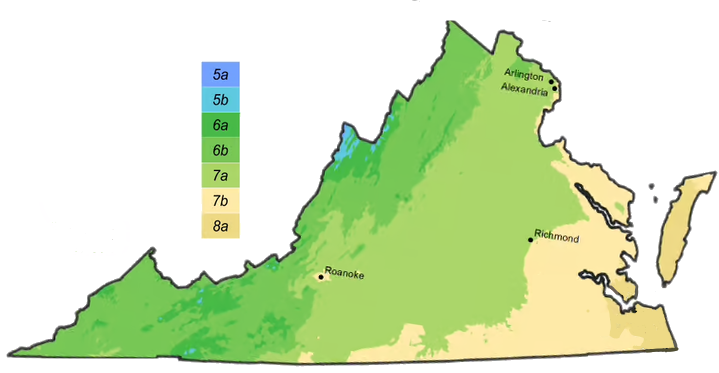
Hardiness Zone
5,
6,
7,
8,
9
Additional Info
Habitat: Grows in sandy coastal dunes and sandy or rocky soils and on slopes in full sun.
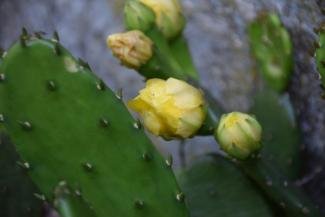
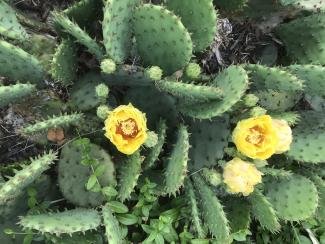
Wildlife value: The bright yellow flowers support numerous insects, including bumblebees, such as the
threatened Bombus pensylvanicus (North American bumblebee). The fleshy pads, covered with spines and glochids, are consumed by grey fox and box turtles.
Edibility: Fruit is used to make candies and jams. The pads can be eaten raw or cooked. Remove the bristles first.
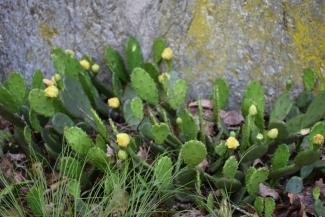
Notes: The plant can survive winters as far north as Ontario. These plants generally grow in clumps sprawling on the ground up to a foot tall and have barbed bristles imbedded in wooly hairs and sometimes long spines.
Flower Color
Red/burgandy
Gold/Yellow
Orange
Flower Prominence
Conspicuous
Bloom Time
Early Summer
Late Summer
Ground Cover
Yes
Evergreen
Yes
Light Requirements
Full sun
Moisture Requirements
Dry
Soil Texture
Sandy
Shallow rocky
Low Maintenance
Yes
Good Choice for Public Spaces
Yes
Deer Resitant
Yes
Seed or Fruit eaten by wildlife?
Yes
Pollinators
Bees
Nurseries that may carry live plant