Non-native plants this species can replace:
Common Name
Buttonbush
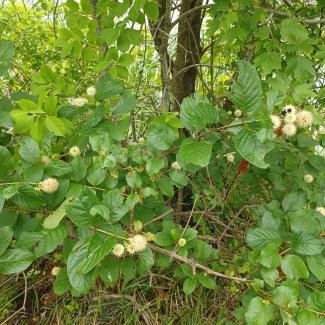
Plant Form
Shrubs & Small Trees
Duration
Perennial
Max Height (ft)
8.0
Width (ft)
3.0 -
8.0
Growth Rate
Medium
Region
Coastal
Piedmont
Mountain
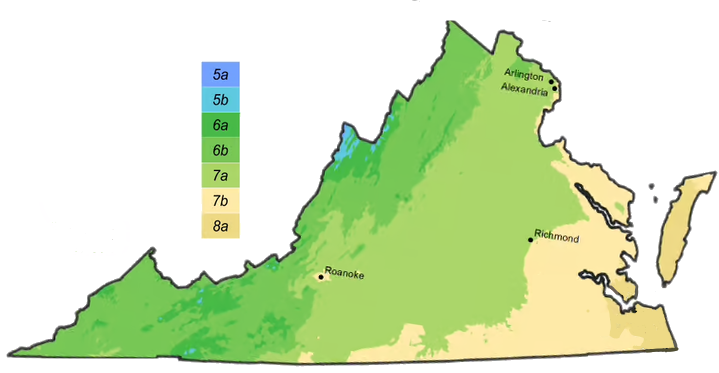
Hardiness Zone
5,
6,
7,
8,
9
Commercially available
Yes
Global Biodiversity Information Facility (GBIF):
Additional Info
Habitat: fresh tidal and nontidal marshes, shrub swamps, forested wetlands, borders of streams, lakes, and ponds
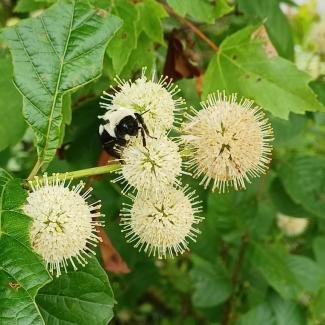
Wildlife Value: Flowers are attractive to hummingbirds, butterflies including eastern tiger swallowtails, and bees. Songbirds and waterfowl eat seeds. This plant provides nectar for pollinators, including Monarchs. Plant NOVA Natives lists this species as particularly popular with the non-native honeybees
Notes: Cool Sputnik-shaped, fragrant flowers. Perfect for a low, wet area (tolerates flooding to 36") though tolerates moist conditions as well. Rejuvenation pruning may be helpful and can be done in early spring to shape. If plants become too large, may be cut back near to the ground to revitalize.
Flower Color
Cream/White
Flower Prominence
Conspicuous
Fragrant
Yes
Bloom Time
Spring
Early Summer
Late Summer
Bloom Month
June
July
August
September
Fall Color
Gold/Yellow
Light Requirements
Full sun
Partial sun
Shade
Moisture Requirements
Wet
Moist
Soil Texture
Clay
High organic matter
Loamy
Sandy
Low Maintenance
Yes
Climate-smart plant
Yes
Good Choice for Public Spaces
Yes
Seed or Fruit eaten by wildlife?
Yes
Pollinators
Bees
Butterfiles
Hummingbirds
Monarchs
Carries Seeds (may not be available)
Species-specific links
Additional links