Asclepias tuberosa

Common Name
Butterfly milkweed
Common butterfly weed
Butterfly weed
Common butterfly-weed
Plant Form
Herbs
Duration
Perennial
Max Height (ft)
3.0
Width (ft)
1.0 - 1.5
Growth Rate
Slow
Region
Coastal
Piedmont
Mountain
Hardiness Zone
5, 6, 7, 8, 9
Commercially available
Yes

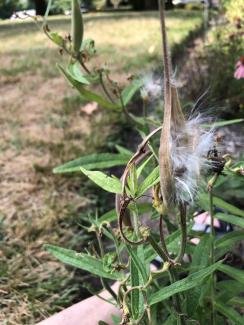
Photographer: violetnettle
Licensed under: CC BY-NC 4.0
Original photo: Original photo

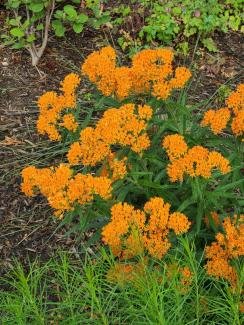
Photographer: Paul Z
Licensed under: CC BY-NC 4.0
Original photo: Original photo

Additional Info

Habitat: Dry woodlands, clearings, fields, pastures, and roadsides. Common throughout Virginia.

Wildlife Value: The flowers are a nectar source for many butterflies and insect pollinators. The plant is a larval host plant for monarch, gray hairstreak, queen, and milkweed tussock moth caterpillars.

Note:  Very long bloom time. Politely self-seeds. Aphids and milkweed bugs are normal and harmless. Pair it with other plants like native, ornamental grasses and wildflowers, such as asters and purple coneflowers, to a create a butterfly habitat. In a perennial border, pair it with torch lilies or with cooler blues and purples, such as speedwell plants. 

Poisonous to Humans

Poison Severity: Low
Poison Symptoms: Can cause stomach upset, nausea, vomiting, abdominal pain, diarrhea, weakness, lethargy, and confusion if eaten in quantity. Sap can cause contact dermatitis and eye irritation.
Causes Contact Dermatitis: Yes

Flower Color
Orange
Flower Prominence
Conspicuous
Bloom Time
Spring
Early Summer
Late Summer
Bloom Month
May
June
July
August
Light Requirements
Full sun
Partial sun
Moisture Requirements
Moist
Dry
Soil Texture
Clay
Loamy
Sandy
Low Maintenance
Yes
Climate-smart plant
Yes
Deer Resitant
Yes
Pollinators
Bees
Butterfiles
Hummingbirds
Monarchs
Number of Lepidotera Species Genus Supports
12
Earth Sangha Inventory

Founded in 1997, the Earth Sangha is a nonprofit public charity based in the Washington, DC, region. The Wild Plant Nursery is the most comprehensive source of local-ecotype, native plants in the Washington DC region, and the region’s only facility dedicated exclusively to this type of propagation. “Local-ecotype” plants are propagated from local, wild, naturally-occurring populations and are well-adapted to local conditions and for wildlife species that depend on the local forms, such as pollinators. Inventory is updated on a weekly basis so number may not be accurate.

Pots Available Plugs Available Location Notes
0 0 Row P

Reserved for conservation projects

View My Wishlist
Carniola Farms Nursery

Nursery operates Arlington Native Plants & Edibles located at 925 N. Madison St. Arlington Virginia 22205. Plants can be purchased at any time by making an email appointment at carniolafarms@gmail.com. Also, during the during the planting season, they are open some Saturdays from 11AM to 3PM. Check their website for datesThis plant list is from the beginning of the 2025 season and may be out-of-date

In Stock? Notes
Yes View My Wishlist
Beloved Brook's Ruckersville Nursery Inventory

Nursery is open by appointment only. Email them to set up a time. This plant list if from the begging of the 2025 season and may be outdated. If there is something specific that you’re looking for, they recommend you confirm that they have it when you schedule an appointment

Pots Available Plugs Available Pot size:
Yes Yes

Quart

View My Wishlist
Bona Terra Nursery

Small family-run native plant nursery with a focus on the local genetics necessary to restore diversity in the Chesapeake eco-region. Offers free remote design service for small gardens up to 400 square feet. Orders are placed via email and items can be picked up at their NW DC office or delivered for a fee. This plant list is from the beginning of the 2025 season and may be out-of-date

Pots Available Pot Size Notes Add to Wishlist
0 Quart

Grown to order only

View My Wishlist
0 1 Gallon

Grown to order only

View My Wishlist