Common Name
Cut-leaved coneflower
Tall coneflower
Green-headed coneflower
Wild goldenglow
Cutleaf coneflower
Plant Form
Herbs
Duration
Perennial
Max Height (ft)
9.0
Growth Rate
Fast
Region
Coastal
Piedmont
Mountain
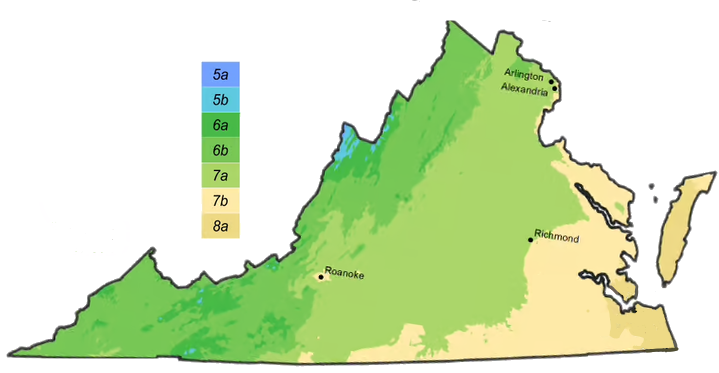
Hardiness Zone
5,
6,
7,
8,
9
Commercially available
Yes
Additional Info
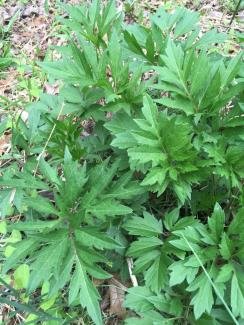
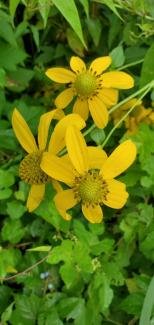
Often found in woods, meadows, streambanks, and roadside ditches. The plant tolerates hot, humid summers. This 3-4 inch flower grows well in a large pot with support, and its attractive seedheads extend the season of interest into the winter. It has no serious pests
Note: Can spread aggressively by underground rhizomes. To keep the plant under control, divide clumps and deadhead old flowers to encourage rebloom.
Wildlife value: Supports Wavy-lined Emerald larvae. Nectar and pollen attract butterflies and bees. Songbirds, especially American Goldfinches, eat the seed in the fall.
Flower Color
Gold/Yellow
Green
Flower Prominence
Conspicuous
Bloom Time
Early Summer
Late Summer
Fall
Bloom Month
July
August
September
October
Light Requirements
Full sun
Partial sun
Moisture Requirements
Wet
Moist
Soil Texture
Clay
Loamy
Sandy
Deer Resitant
Yes
Seed or Fruit eaten by wildlife?
Yes
Pollinators
Bees
Hummingbirds
Number of Lepidotera Species Genus Supports
17
Top 30 for Pollen Specialist Bees?
Yes
Number of Pollen Specialist Bees that Rely on this Genus
29
Nurseries that may carry live plant
Carries Seeds (may not be available)