Common Name
Path rush
Slender rush
Poverty rush
Plant Form
Grasses, Sedges & Rushes
Duration
Perennial
Max Height (ft)
3.0
Growth Rate
Slow
Region
Coastal
Piedmont
Mountain
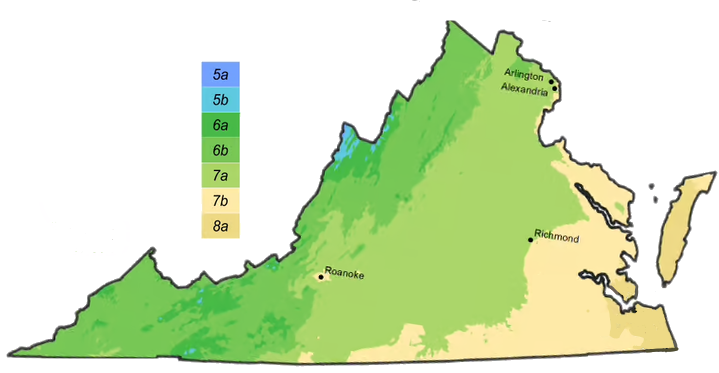
Hardiness Zone
5,
6,
7,
8,
9
Commercially available
Yes
Additional Info
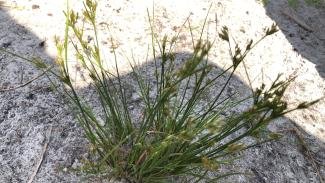
Habitat: Poverty rush grows on freshwater sites that have saturated soil conditions during the winter and dry conditions during the summer. It is common in disturbed areas with seeps and springs, such as prairies, meadows, shaded roads, and ditches.
Wildlife: Some upland gamebirds and granivorous songbirds feed on the seeds of poverty rush. In addition, poverty rush is used as material for nest construction, and as cover for foraging animals.
Notes: Useful as a groundcover, or water plant in a rain garden due to its ability to grow in compacted and saturated soils. Poverty rush can be used in the bottom of constructed bioswales as a groudlayer. It is also used in the scrub shrub layer as a ground cover in constructed wetlands
Bloom Time
Spring
Early Summer
Late Summer
Fall
Ground Cover
Yes
Light Requirements
Full sun
Partial sun
Moisture Requirements
Wet
Moist
Dry
Deer Resitant
Yes
Seed or Fruit eaten by wildlife?
Yes
Nurseries that may carry live plant
Carries Seeds (may not be available)