Common Name
Fowl mannagrass
Plant Form
Grasses, Sedges & Rushes
Duration
Perennial
Max Height (ft)
5.0
Growth Rate
Medium
Region
Coastal
Piedmont
Mountain
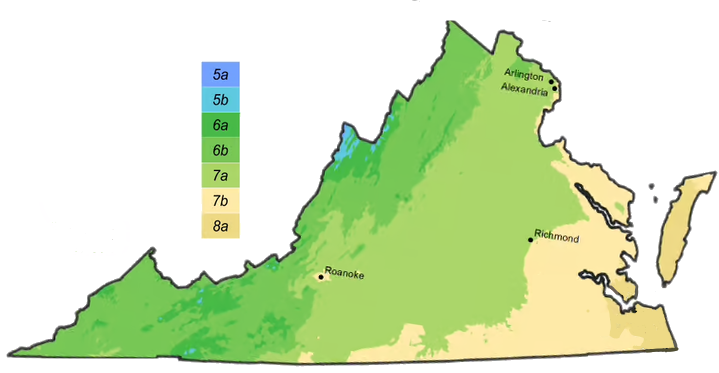
Hardiness Zone
5,
6,
7,
8,
9
Commercially available
Yes
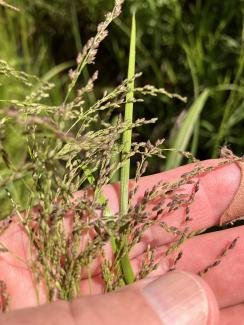
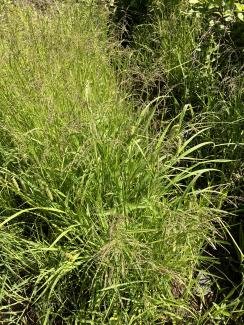
Additional Info
Habitat: Fowl mannagrass is a rapidly establishing native species suitable for restoration of swamps, the edges of marshes, ponds, and streams, and other wetland plant communities where an herbaceous understory is desired. It has versatility for use along creeks and ditch bottoms where exposure may vary from full sun to dense shade, thereby improving soil stability beyond the use of woody plants alone.
Wildlife value: The seed is food for waterfowl and birds while the foliage and tall stems provide good wildlife cover. Foliage is seasonally grazed at a light to heavy rate by deer, muskrat, and bears.
Bloom Time
Spring
Early Summer
Late Summer
Fall
Light Requirements
Full sun
Partial sun
Shade
Moisture Requirements
Wet
Moist
Nurseries that may carry live plant