Common Name
Virginia wild rye
Eastern wild rye
Eastern wild-rye
Terrell grass
Plant Form
Grasses, Sedges & Rushes
Duration
Perennial
Max Height (ft)
5.0
Width (ft)
1.0 -
2.0
Region
Coastal
Piedmont
Mountain
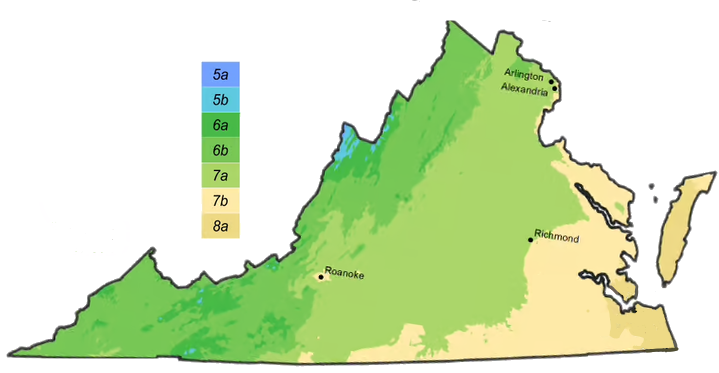
Hardiness Zone
5,
6,
7,
8
Commercially available
Yes
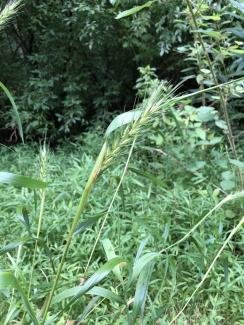
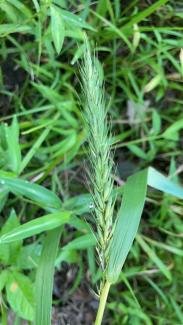
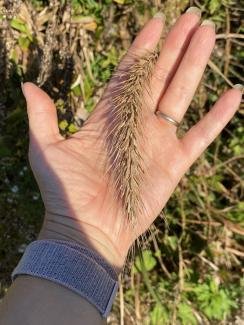
Additional Info
Habitat: Native perennial cool-season ornamental grass found in bottomland forests, upland prairies, glades, marshes, stream banks, pastures, fields, roadsides, and disturbed areas
Wildlife Value: Virginia wildrye is palatable and nutritious forage for large game animals such as deer. Birds and
small mammals also forage for the seed and utilize the plant fibers for denning and nesting material. The seed is reported to be utilized by mallard and lesser scaup ducks when found in association with wetlands. Provides shelter to insects
Bloom Time
Early Summer
Late Summer
Fall
Bloom Month
June
July
August
September
October
Light Requirements
Full sun
Partial sun
Moisture Requirements
Moist
Soil Texture
Clay
High organic matter
Loamy
Sandy
Deer Resitant
Yes
Tolerates
Carries Seeds (may not be available)