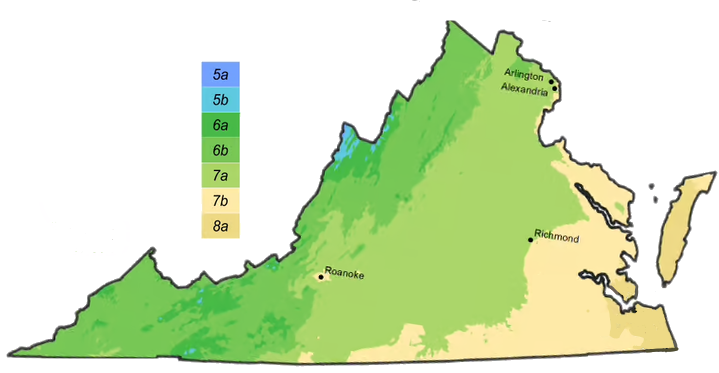
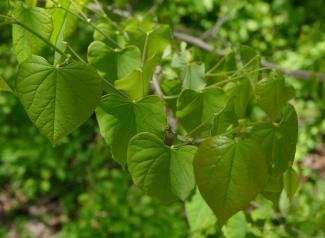
Habitat: Eastern redbud occurs in the forest understory in moist rich woods, along the banks of streams, in ravines, on bluffs, in open rocky woods, and abandoned farmlands
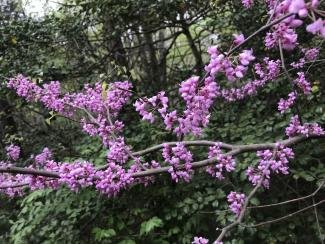
Wildlife value: In early spring, clusters of rose pink to light purple flowers mature and attract many pollinators including butterflies, and bees. The plant holds great wildlife value as a larval host plant and the bean pod fruits provide food for songbirds. White-tailed deer are among the animals that browse the foliage.Plant NOVA Natives lists this species as particularly popular with the non-native honeybees
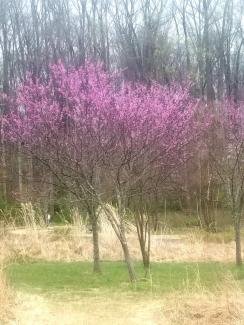
Notes: Eastern redbud is a flowering tree that blooms before the leaves appear. Fixes nitrogen; Short-lived (30 years)
Edibility: The flowers are edible and taste similar to peas. Contain high amounts of vitamin C.