Common Name
Orange coneflower
Black-eyed susan
Early coneflower
Eastern coneflower
Black eyed susan
Plant Form
Herbs
Duration
Perennial
Max Height (ft)
3.0
Growth Rate
Fast
Region
Coastal
Piedmont
Mountain
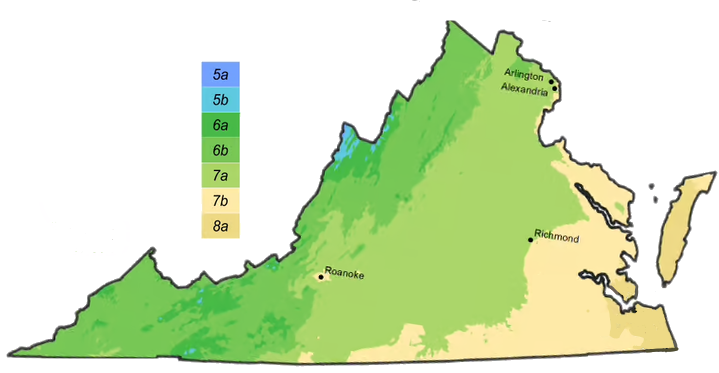
Hardiness Zone
5,
6,
7,
8,
9
Commercially available
Yes
Rabbit resistant
Yes
Global Biodiversity Information Facility (GBIF):
Additional Info
Habitat: moist fields & meadows
Wildlife value: This plant provides nectar for pollinators. It is a larval host plant to Wavy-lined Emerald and Silvery Checkerspot butterflies. Songbirds, especially American goldfinches, eat the seeds in the fall
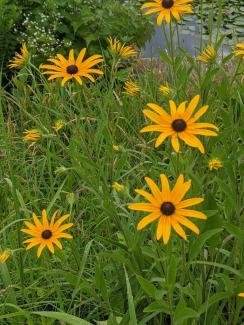
Notes: Prolific yellow daisy-like flowers that have a brownish-purple center that first mature in early summer and continue into the fall. Black-eyed Susan is easy to grow, thriving in any but soggy soils. It does best in full sun but tolerates partial shade. It also bears up under hot, humid summers and, once established, will tolerate drought. The plant spreads by underground stems called rhizomes to form large clumps.
Flower Color
Gold/Yellow
Orange
Flower Prominence
Conspicuous
Bloom Time
Late Summer
Fall
Bloom Month
August
September
October
Light Requirements
Full sun
Moisture Requirements
Moist
Soil Texture
Clay
Shallow rocky
Low Maintenance
Yes
Good Choice for Public Spaces
Yes
Deer Resitant
Yes
Seed or Fruit eaten by wildlife?
Yes
Pollinators
Bees
Butterfiles
Number of Lepidotera Species Genus Supports
17
Top 30 for Pollen Specialist Bees?
Yes
Number of Pollen Specialist Bees that Rely on this Genus
29
Nurseries that may carry live plant
Carries Seeds (may not be available)