Common Name
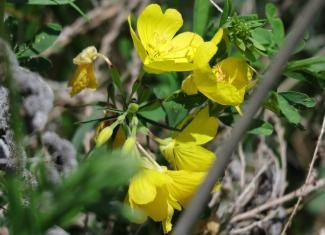
Narrow-leaf sundrops
Southern sundrops
Narrow-leaf evening-primrose
Plant Form
Herbs
Duration
Perennial
Max Height (ft)
1.5
Width (ft)
1.0 -
3.0
Growth Rate
Medium
Region
Coastal
Piedmont
Mountain
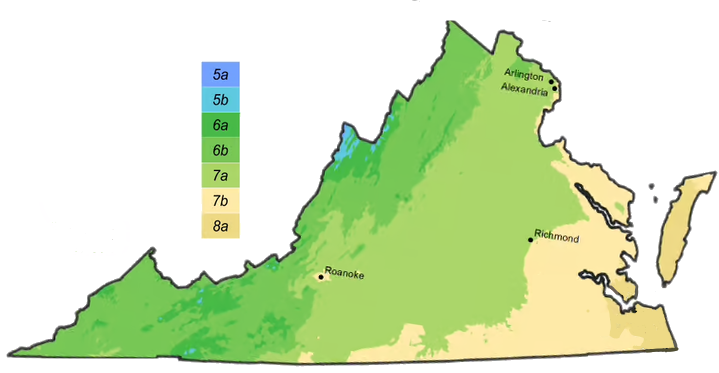
Hardiness Zone
5,
6,
7,
8
Commercially available
Yes
Rabbit resistant
Yes
Additional Info
Habitat: roadsides and in meadows, dry forests, glades, and rock outcrops.
Wildlife value: The flowers are pollinated by bees, skippers and butterflies. A sweat bee (Lasioglossum oenotherae) is a
specialist pollinator of many different species of narrowleaf evening primrose. These insects suck nectar from the flowers and some bees also collect pollen for their larvae. There are several insects that feed on evening primrose including pearly wood nymph (Eudryas unio), primrose moth (Schinia florida) and some momphid moths (Mompha spp.). Hummingbirds visit the
flowers for nectar and to eat insects. The seeds are eaten to a minor degree by the eastern goldfinch, mourning dove and the foliage is sometimes eaten by white-tailed deer.
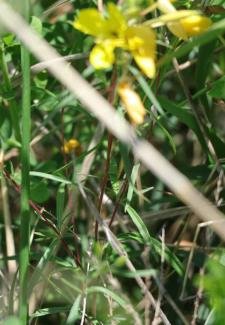
Flower Color
Gold/Yellow
Flower Prominence
Conspicuous
Bloom Time
Spring
Early Summer
Late Summer
Bloom Month
April
May
June
July
August
Light Requirements
Full sun
Partial sun
Moisture Requirements
Moist
Dry
Soil Texture
Clay
Loamy
Sandy
Shallow rocky
Seed or Fruit eaten by wildlife?
Yes
Pollinators
Bees
Butterfiles
Number of Lepidotera Species Genus Supports
16
Top 30 for Pollen Specialist Bees?
Yes
Number of Pollen Specialist Bees that Rely on this Genus
7
Nurseries that may carry live plant