Common Name
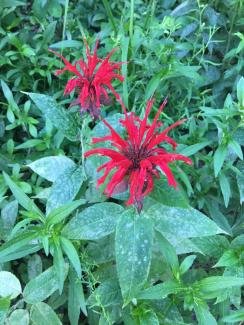
Scarlet beebalm
Oswego tea
Plant Form
Herbs
Duration
Perennial
Max Height (ft)
4.0
Width (ft)
2.0 -
3.0
Growth Rate
Medium
Region
Coastal
Piedmont
Mountain
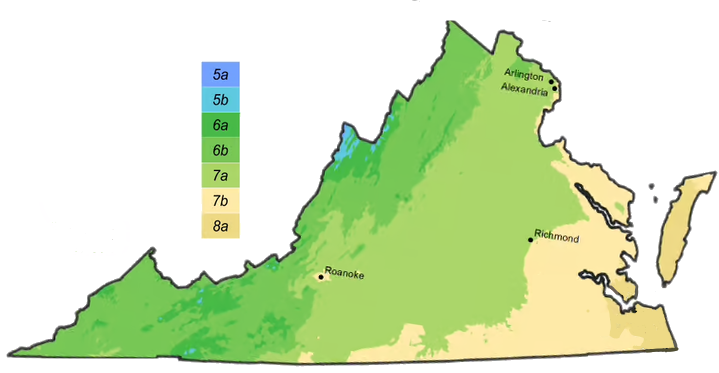
Hardiness Zone
5,
6,
7,
8,
9
Commercially available
Yes
Rabbit resistant
Yes
Additional Info
Habitat: creek banks, floodplains, moist woods. This plant prefers moist, well-drained soils and full sun but will tolerate some shade. Tolerates occasional wet conditions. Bee balm will spread rapidly by underground stolons.
Wildlife value: Attracts bumblebees, swallowtail butterflies, and Ruby-throated hummingbirds. It is a larval host to the hermit sphinx, orange mint moth, and the raspberry pyrausta and specialized bees
Notes: Infrequent in the VA mountains and rare (maybe introduced) in the VA Piedmont. In NoVA, it is found in Arlington, Fairfax, and Loudoun Counties. Leaves have a minty aroma when crushed.
Edibility: Used in teas, flavor jellies, soups, stews, and fruit salads; edible flowers.
Flower Color
Red/burgandy
Flower Prominence
Conspicuous
Fragrant
Yes
Bloom Time
Early Summer
Late Summer
Fall
Bloom Month
July
August
September
Light Requirements
Full sun
Moisture Requirements
Moist
Soil Texture
Clay
High organic matter
Good Choice for Public Spaces
Yes
Deer Resitant
Yes
Pollinators
Bees
Butterfiles
Hummingbirds
Number of Lepidotera Species Genus Supports
7
Nurseries that may carry live plant