Common Name
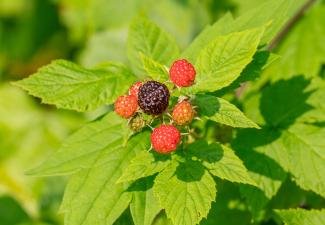
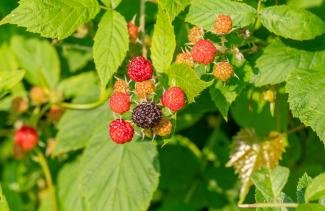
Black raspberry
Plant Form
Shrubs & Small Trees
Duration
Perennial
Max Height (ft)
6.0
Width (ft)
4.0 -
8.0
Growth Rate
Fast
Region
Coastal
Piedmont
Mountain
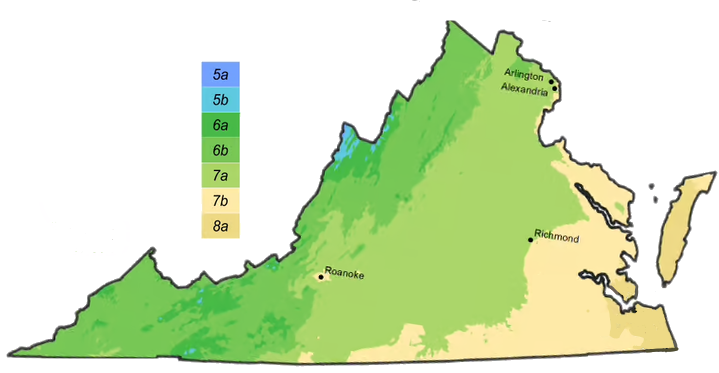
Hardiness Zone
5,
6,
7,
8
Commercially available
Yes
Global Biodiversity Information Facility (GBIF):
Additional Info
Habitat: Mesic to dry upland forests, well-drained alluvial forests, rocky woodlands,\ barrens, clearings, old fields, and roadsides. Common throughout Virginia, except in far southeast Virginia.
Wildlife Value: This plant provides nectar for pollinators. Excellent cover for small mammals and birds. Blooms attract pollinators. Fruits are eaten by songbirds, mammals, and black bears. During the winter, birds and small mammals eat the seeds left from rotted fruit. Dead stems are used by stem-nesting bees.
Edibility: The fleshy fruits are sweet and slightly tart in flavor; they detach cleanly and easily from their receptacles. Excellent flavor.
Flower Color
Cream/White
Flower Prominence
Conspicuous
Bloom Time
Spring
Early Summer
Bloom Month
April
May
June
Light Requirements
Full sun
Partial sun
Moisture Requirements
Moist
Soil Texture
High organic matter
Low Maintenance
Yes
Seed or Fruit eaten by wildlife?
Yes
Pollinators
Bees
Butterfiles
Top 30 for Butterfly and Moth Caterpillars?
Yes
Number of Lepidotera Species Genus Supports
127
Nurseries that may carry live plant