Non-native plants this species can replace:
Common Name
Wild azalea
Pinxterflower
Pinxterbloom azalea
Plant Form
Shrubs & Small Trees
Duration
Perennial
Max Height (ft)
8.0
Width (ft)
4.0 -
10.0
Growth Rate
Slow
Region
Coastal
Piedmont
Mountain
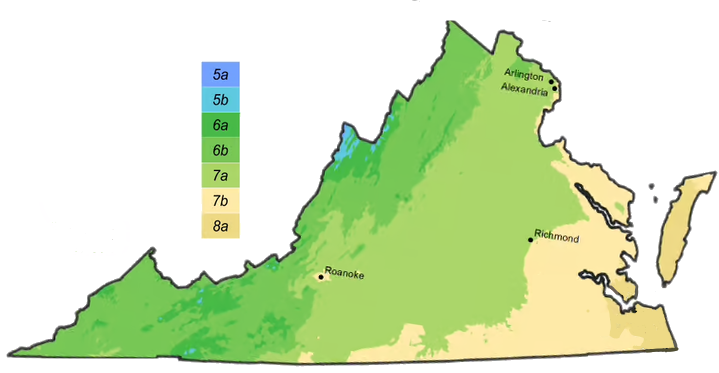
Hardiness Zone
5,
6,
7,
8,
9
Commercially available
Yes
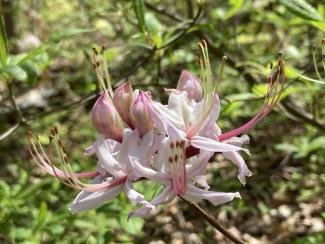
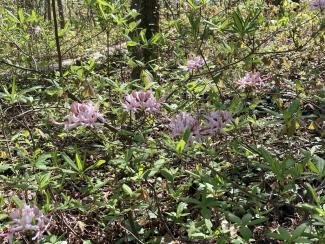
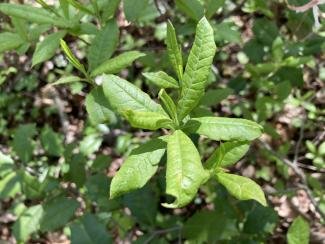
Global Biodiversity Information Facility (GBIF):
Additional Info
Habitat: Mesic to dry, acidic forests, seepage swamp hummocks, and stream banks. Common throughout Virginia
Wildlife Value: This plant provides nectar for pollinators. Hummingbirds and swallowtail butterflies are attracted to the blooms.
Poisonous to Humans
Poison Severity: Low
Poison Symptoms: While the plants are known to contain toxins, ingestion of moderate amounts of azalea (nectar or leaves) poses little toxic hazard.
Causes Contact Dermatitis: No
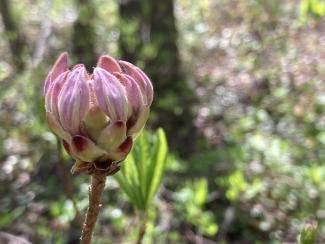
Flower Color
Cream/White
Pink
Purple/lavender
Flower Prominence
Conspicuous
Fragrant
Yes
Bloom Time
Spring
Early Summer
Bloom Month
April
May
June
Light Requirements
Full sun
Partial sun
Moisture Requirements
Moist
Dry
Soil Texture
Clay
High organic matter
Loamy
Sandy
Low Maintenance
Yes
Pollinators
Bees
Butterfiles
Hummingbirds