Common Name
White grass
White cutgrass
Virginia cutgrass
Plant Form
Grasses, Sedges & Rushes
Duration
Perennial
Max Height (ft)
3.0
Width (ft)
1.0 -
2.0
Growth Rate
Medium
Region
Coastal
Piedmont
Mountain
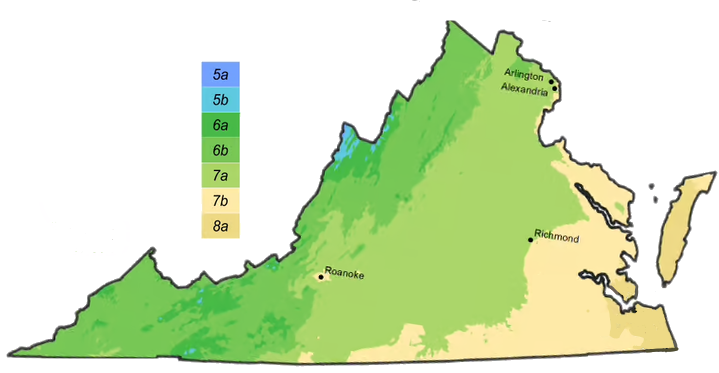
Hardiness Zone
5,
6,
7,
8,
9
Commercially available
Yes
Additional Info
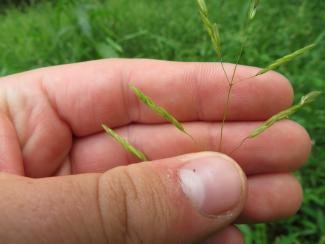
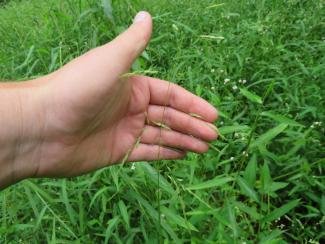
Habitat: Typically found in partially shaded low-lying wet areas. It is a good example of the kinds of grasses that grow in wooded areas.
Wildlife value: Larval host for the Northern Pearly Eye (Enodia anthedon)
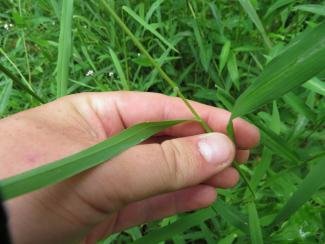
Notes: It is easily confused with the non-native and invasive Japanese stilt grass (Microstegium vimineum). Whitegrass may be distinguished from Japanese stilt grass by its lack of a prominent shiny leaf midvein.
Flower Color
Green
Flower Prominence
Reduced
Bloom Time
Late Summer
Bloom Month
July
August
Light Requirements
Full sun
Partial sun
Moisture Requirements
Wet
Moist
Pollinators
Butterfiles
Nurseries that may carry live plant
Species-specific links