Common Name
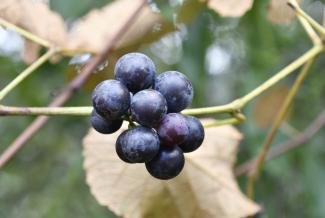
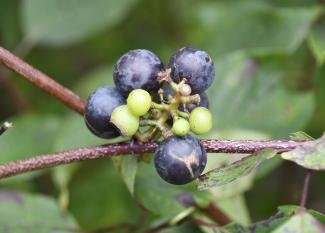
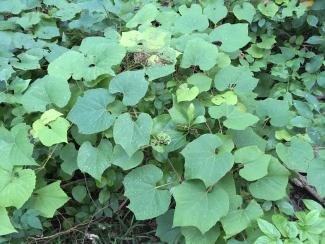
Fox grape
Plant Form
Vines
Duration
Perennial
Max Height (ft)
40.0
Region
Coastal
Piedmont
Mountain
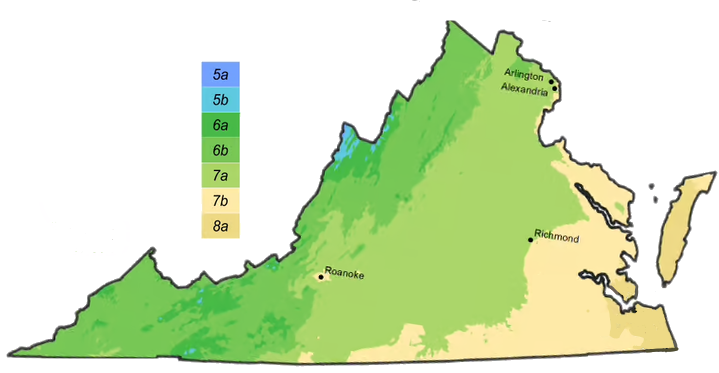
Hardiness Zone
5,
6,
7,
8
Commercially available
Yes
Global Biodiversity Information Facility (GBIF):
Additional Info
Habitat: Seepage swamps, alluvial swamps, maritime swamps, floodplain forests, seeps, fens, bogs, and wet flatwoods; rarely in mesic upland habitats. Frequent in the coastal Plain and Piedmont; infrequent and confined to lower elevations in the mountains.
Wildlife value: The flowers are cross-pollinated by bumblebees, honeybees, and long-horned bees (Eucera spp.). avorite food of raccoon, rabbit, red squirrel, opossum, foxes, ruffed grouse, wild turkey, cardinal, mockingbird, robin, cedar waxwing, woodpeckers, mourning dove and other songbirds. Old dried grapes are especially valuable in later winter. The dense foliage of “grape tangles” and in tree tops are very valuable for cover and nest sites for many animals and birds.
Bloom Time
Spring
Early Summer
Light Requirements
Full sun
Partial sun
Shade
Moisture Requirements
Wet
Moist
Dry
Seed or Fruit eaten by wildlife?
Yes
Pollinators
Bees
Butterfiles
Nurseries that may carry live plant
Species-specific links