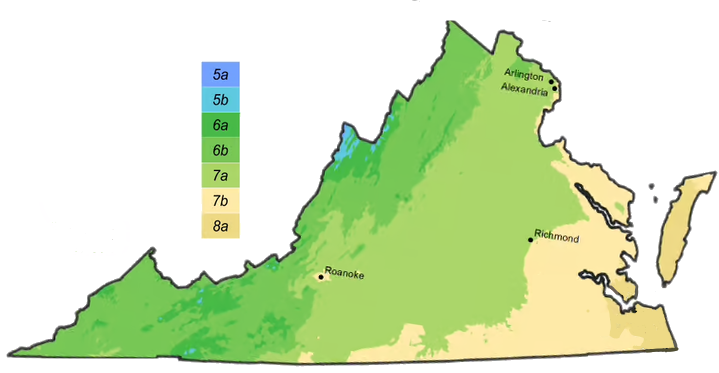
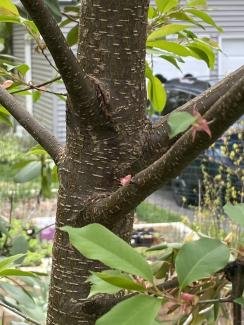
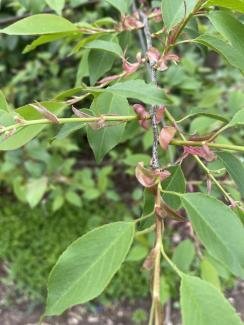
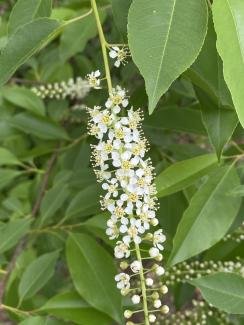
Seedlings, saplings, and small trees are very common in a wide range of wet to dry forests and woodlands throughout; canopy trees are most abundant (often dominant or co-dominant) in fencerows and old field successional forests, maritime dune scrub, maritime woodlands and forests, and northern hardwood forests. Common throughout.
Wildlife Value: This plant provides nectar for pollinators and is a larval host plant for several species of butterflies. Fruits are eaten by songbirds, wild turkeys, quail, white-tailed deer and small mammals. Cedar Waxwings can digest the fruits without releasing the cyanide, but humans are advised not to consume the fruits.
Notes: Messy. Frequent disease and insect problems
Poisonous to Humans
Poison Severity: Medium
Poison Symptoms: If ingested, it is likely to cause death in livestock and pets. Gasping, weakness, excitement, pupil dilation, spasms, convulsions, coma, respiratory failure.
Poison Part: All parts are potentially toxic.