Non-native plants this species can replace:
Common Name
Red mulberry
Common mulberry
Plant Form
Medium Trees
Duration
Perennial
Max Height (ft)
60.0
Width (ft)
35.0 -
40.0
Growth Rate
Fast
Region
Coastal
Piedmont
Mountain
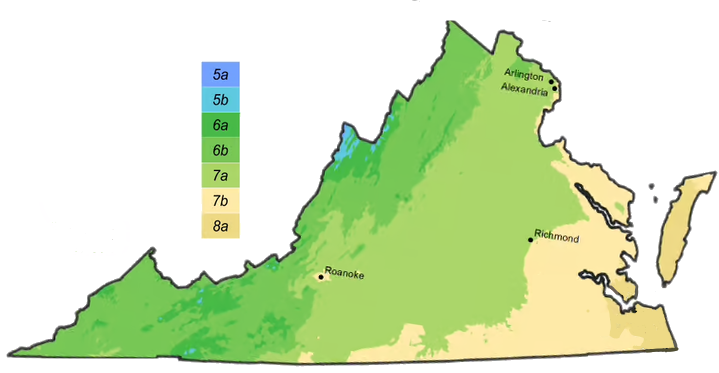
Hardiness Zone
5,
6,
7,
8,
9
Commercially available
Yes
Global Biodiversity Information Facility (GBIF):
Additional Info
Habitat: Well-drained floodplain forests, mesic and dry-mesic upland forests, old fields, and fencerows; typically, but not exclusively, in base-rich soils. Infrequent throughout Virginia
Wildlife Value: It is sometimes considered to be a host plant for Red Admiral butterfly. Its fruits are eaten by many birds, especially gray catbirds and northern mockingbirds, foxes, opossums, squirrels, and raccoons.
Edibility: Ripe fruits are sweet, juicy, and can be eaten raw or made into pies, jellies, or jams. Also used in breads, muffins, and cakes.
Poisonous to Humans
Poison Severity: Low
Poison Symptoms: Causes low toxicity if eaten. Hallucinations and stomach upset from unripe fruit and sap.
Notes: Can be weedy and messy
Flower Color
Gold/Yellow
Green
Flower Prominence
Conspicuous
Bloom Time
Spring
Early Summer
Bloom Month
April
May
Fall Color
Gold/Yellow
Light Requirements
Full sun
Partial sun
Shade
Moisture Requirements
Moist
Soil Texture
Clay
High organic matter
Loamy
Sandy
Deer Resitant
Yes
Seed or Fruit eaten by wildlife?
Yes
Pollinators
Butterfiles
Nurseries that may carry live plant