Common Name
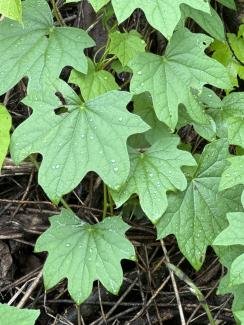
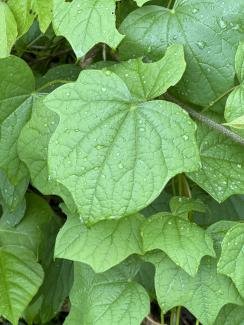
Canada moonseed
Common moonseed
Plant Form
Vines
Duration
Perennial
Max Height (ft)
20.0
Region
Coastal
Piedmont
Mountain
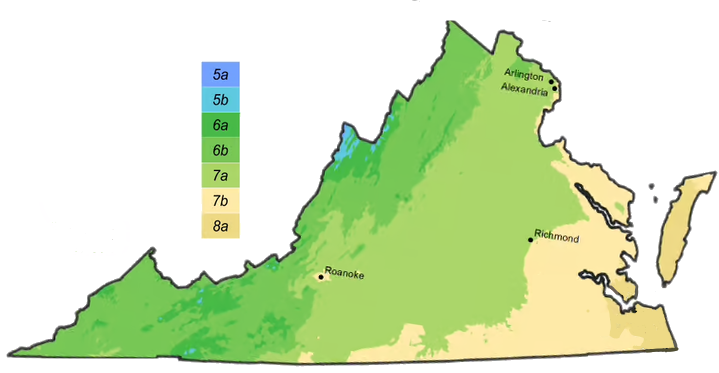
Hardiness Zone
5,
6,
7,
8
Commercially available
Yes
Global Biodiversity Information Facility (GBIF):
Additional Info
Habitat: Well-drained floodplain forests, mesic and dry-mesic upland forests, usually in base-rich soils; also in dry, rocky, open forests and woodlands over mafic and calcareous rocks. Frequent in the mountains and piedmont; infrequent in the coastal Plain.
Wildlife Value: The caterpillars of Plusiodonta compressipalpis (Moonseed Moth) sever the leaves of this vine, feeding on them after they become dry. The larvae of a long-horned beetle, Hyperplatys aspersa, bore through its wood, where they are found underneath the bark.
Poisonous to Humans
Poison Severity: High
Poison Symptoms: HIGHLY TOXIC, MAY BE FATAL IF EATEN! Causes convulsions.
Flower Color
Cream/White
Green
Flower Prominence
Conspicuous
Bloom Time
Spring
Early Summer
Late Summer
Bloom Month
May
June
July
August
Light Requirements
Full sun
Partial sun
Shade
Moisture Requirements
Moist
Dry
Soil Texture
Loamy
Nurseries that may carry live plant
Carries Seeds (may not be available)