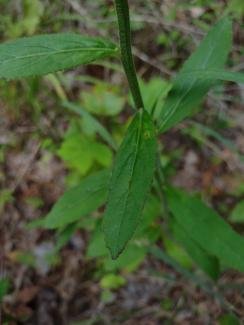
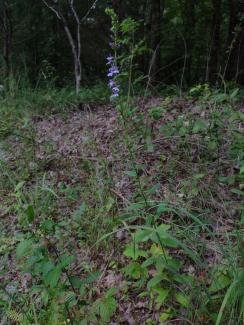
Lobelia puberula

Common Name
Downy lobelia
Plant Form
Herbs
Duration
Perennial
Max Height (ft)
3.0
Region
Coastal
Piedmont
Mountain
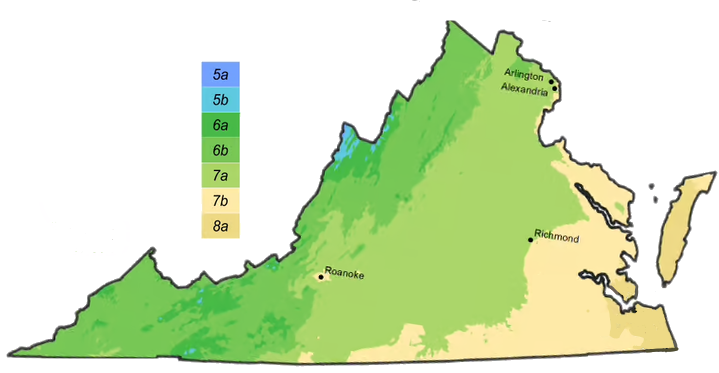
Hardiness Zone
5, 6, 7, 8, 9
Commercially available
Yes
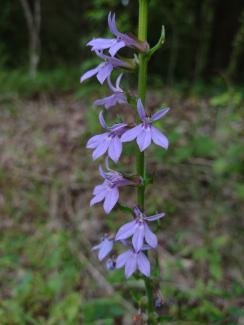
Photographer: jen kenealy
Licensed under: CC BY-NC 4.0
Original photo: Original photo

Photographer: jen kenealy
Licensed under: CC BY-NC 4.0
Original photo: Original photo

Photographer: jen kenealy
Licensed under: CC BY-NC 4.0
Original photo: Original photo

Additional Info


Wildlife Value: Its flowers are attractive to hummingbirds, butterflies and other pollinators.  Bees are pollinators of this plant.

Poisonous to Humans:

Poison Severity: Low

Poison Symptoms: Nausea, vomiting, diarrhea, salivation, exhaustion and weakness, dilation of pupils, convulsions, and coma

Flower Color
Blue
Cream/White
Flower Prominence
Conspicuous
Bloom Time
Late Summer
Fall
Bloom Month
August
September
October
Light Requirements
Full sun
Partial sun
Moisture Requirements
Moist
Soil Texture
Clay
Loamy
Sandy
Pollinators
Bees
Butterfiles
Hummingbirds
Number of Lepidotera Species Genus Supports
4
Tolerates
Earth Sangha Inventory

Founded in 1997, the Earth Sangha is a nonprofit public charity based in the Washington, DC, region. The Wild Plant Nursery is the most comprehensive source of local-ecotype, native plants in the Washington DC region, and the region’s only facility dedicated exclusively to this type of propagation. “Local-ecotype” plants are propagated from local, wild, naturally-occurring populations and are well-adapted to local conditions and for wildlife species that depend on the local forms, such as pollinators. Inventory is updated on a weekly basis so number may not be accurate.

Pots Available Plugs Available Location Notes
0 0 Row 6 View My Wishlist