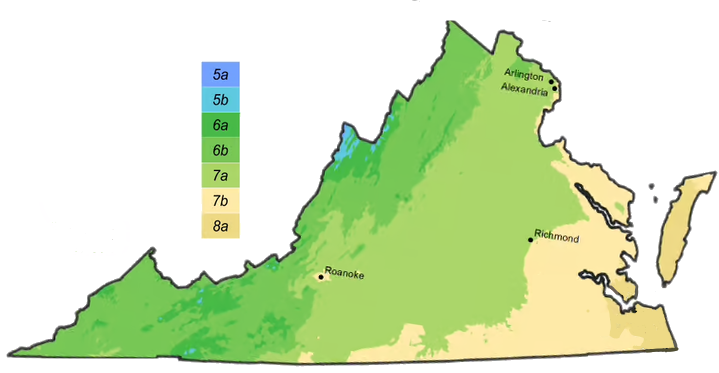
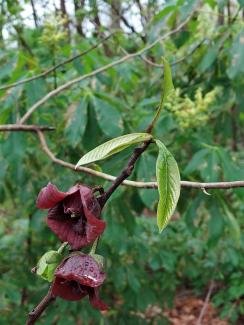
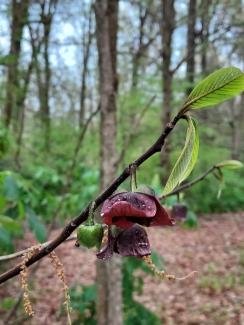
Habitat: deep, rich, moist soils of river valleys and bottomlands. Also in the understory of hardwood forests. Pawpaws tend to spread into colonies via root suckers especially in rich, moist woods, so that what appears to be many individual trees is actually a single colony of genetically identical individuals.
Wildlife Value: Flowers are pollinated by flies and beetles. Edible flesh fruit eaten by songbirds, wild turkeys, squirrels, raccoons, opossums, black bear, and foxes. This plant supports Zebra Swallowtail (Eurytides marcellus) larvae. Zebra Swallowtail butterflies feed on flower nectar from milkweed, blueberries, blackberries, lilacs, redbuds, verbenas, and dogbane, consider adding these near pawpaws.
Particularly Resistant To: Resistant to fire. Moderately resistant to deer damage. Heat tolerant.
Fruit: In late summer to early fall, pawpaw produces an edible, sweet-tasting, and custard like fruit measuring 2.5 to 6 inches. It is recommended to wear gloves when harvesting as contact dermatitis has been known to occur. Fruits are eaten by songbirds, wild turkeys, squirrels, raccoons, opossums, black bears, and foxes.
Edibility: Mature fruits have a banana custard flavor. Raw fruits can be eaten in small quantities but can cause stomach/skin irritation in some people.