Common Name
Small-flowered agrimony
Harvest-lice
Plant Form
Herbs
Duration
Perennial
Max Height (ft)
3.0
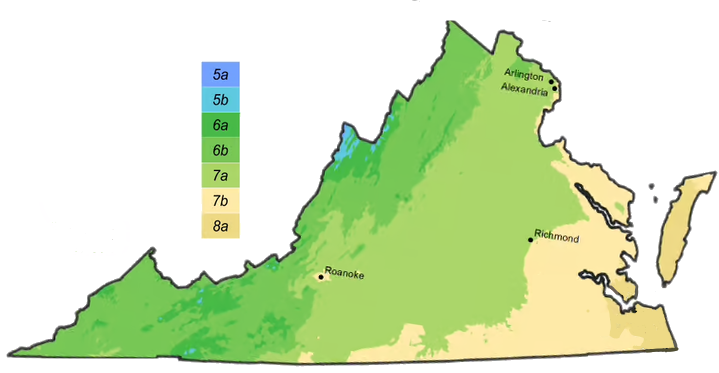
Hardiness Zone
5,
6,
7,
8
Commercially available
Yes
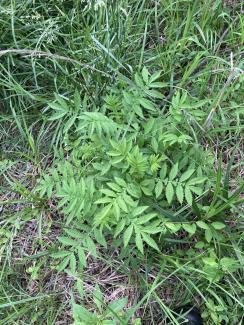
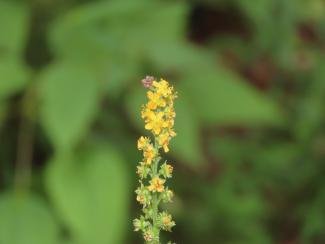
Additional Info
Habitat: Moist to wet fields, pastures, meadows, clearings, roadsides, and other low, disturbed habitats; occasionally in natural habitats such as floodplain forests, fens, and depression swamps. Frequent to common in the mountains and Piedmont; infrequent in the Coastal Plain.
Wildlife value: Nectar is consumed by bees and certain flies, other animals, like mammals and reptiles. Certain birds use harvest-lice to build nests. Because of the aroma and foul taste, predators and parasites such as lice and mites stay away from a constantly restocked nest
Notes: The bur-like fruit is distributed by mammal fur and bird feathers.
Flower Color
Gold/Yellow
Flower Prominence
Conspicuous
Bloom Time
Late Summer
Fall
Bloom Month
July
August
September
Moisture Requirements
Wet
Moist
Nurseries that may carry live plant