Common Name
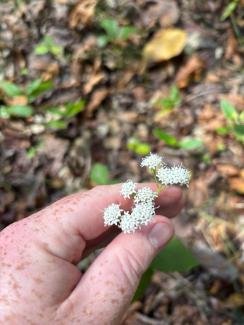
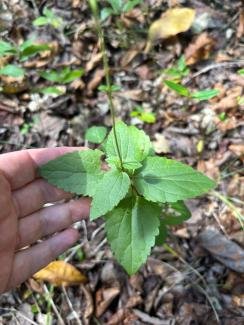
Small white snakeroot
Lesser snakeroot
Plant Form
Herbs
Duration
Perennial
Max Height (ft)
3.0
Width (ft)
1.0 -
3.0
Growth Rate
Medium
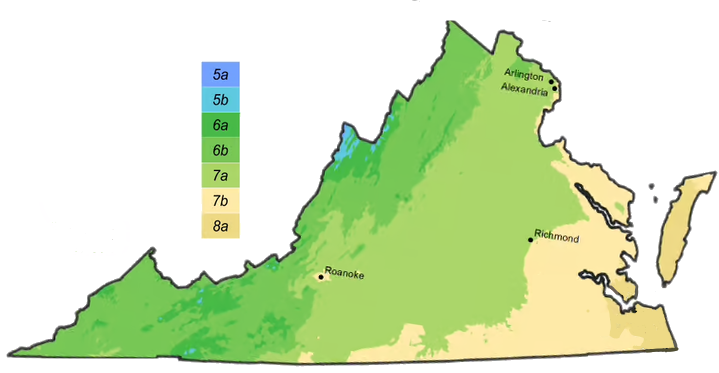
Hardiness Zone
5,
6,
7,
8,
9
Commercially available
Yes
Additional Info
Habitat: Dry mesic to dry upland forests, woodlands, and clearings; particularly abundant in open forests and woodlands influenced by prescribed or incendiary fires. Widely distributed but rather infrequent in the Coastal Plain and Piedmont; infrequent at low elevations in the mountains.
Wildlife Value: Flowers attract bees and butterflies
Poisonous to Humans
Poison Severity: High
Poison Symptoms: The plant is highly toxic and may be fatal if eaten. Toxicity is characterized by weakness, nausea, abdominal pain, vomiting, delirium, cardiac damage, prostration and eventually, coma. Even drinking milk from cows that have eaten the plant will cause "milk sickness" and vomiting
Flower Color
Cream/White
Flower Prominence
Conspicuous
Bloom Time
Late Summer
Fall
Bloom Month
September
October
November
Light Requirements
Full sun
Partial sun
Moisture Requirements
Moist
Dry
Soil Texture
Clay
Loamy
Sandy
Shallow rocky
Low Maintenance
Yes
Pollinators
Bees
Butterfiles
Tolerates